
Key Duties and Responsibilities of a Real Estate Developer
Understand real estate developer responsibilities: market analysis, legal compliance, project management, and sustainable practices. Learn more now!
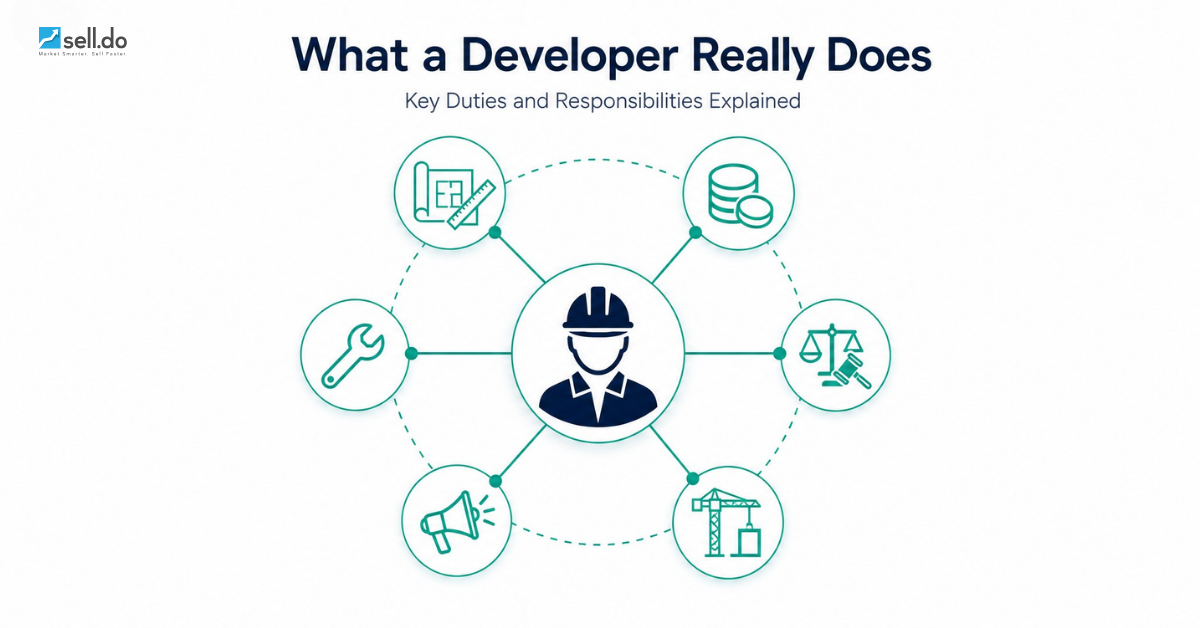
Real estate developers are the architects of change in our cities, turning vacant land into vibrant communities and bustling business centers. But behind every successful project is a developer who’s juggling a lot—from securing financing to navigating complex regulations.
A real estate developer's responsibilities are anything but simple, and knowing what’s involved is crucial for anyone wanting to succeed in this fast-paced field.
So, let’s take a closer look at the core duties of developers and how mastering them can lead to thriving projects and a successful career in real estate.
Top 6 Real Estate Developer Responsibilities
Real estate developer responsibilities include a wide range of tasks that drive a project from concept to completion. These include:
Project Planning and Development Real estate developer responsibilities demand a hands-on approach at every stage of the project. From selecting the ideal location to collaborating with experts, developers must ensure that all aspects align with market demands and the project’s goals. Identifying profitable markets and locations: Developers research markets and evaluate locations based on demand, growth potential, and ROI to ensure the project’s success.
Conducting feasibility studies: Developers need to assess the financial viability of a project by analyzing construction costs, projected returns, and potential risks. Collaborating with architects, urban planners, and engineers: Developers work with experts to ensure the design is both practical and aligned with zoning regulations and market demand. Struggling to generate leads?
Securing Financing and Budgeting Securing financing and managing the project budget is one of the most critical responsibilities of a real estate developer. Developers must navigate various funding sources and ensure financial feasibility to keep projects on track. Raising capital through investors, loans, or self-financing: Developers often raise capital through a mix of investors, loans, and personal funds.
The choice of financing depends on the project’s size and scope, balancing risk and return. Creating and managing project budgets: Developers must create detailed budgets that cover all aspects of the project, including materials, labor, and permits. Ensuring financial feasibility and maintaining profit margins: Developers assess a project's financial feasibility to ensure it's profitable.
This involves estimating costs, setting realistic price points, and maintaining healthy profit margins. Risk management and contingency planning: Proper risk management involves identifying potential issues and setting aside contingency funds. Developers must plan for unexpected delays, cost overruns, and market fluctuations.
Legal and Regulatory Compliance Legal and regulatory compliance is a critical part of real estate developers' responsibilities. Developers must be well aware of complex laws and regulations to ensure their projects are legal and sustainable and avoid costly fines or delays. Zoning laws, building codes, and permits: Developers must understand zoning laws and building codes to ensure the project complies with local land-use rules and construction standards.
Securing approvals from local government bodies: Developers need approvals from local authorities, including permits for land use, environmental reviews, and adherence to city planning regulations. Compliance with environmental regulations: Compliance with laws, such as waste management and energy efficiency standards, is essential.
- 1 Coordinating Construction and Project Management This is a critical part of real estate developer responsibilities, which include: Managing construction timelines, contractors, and vendors: Developers must create and manage detailed timelines, ensuring that all contractors and vendors are aligned with the project’s goals. Overseeing the construction process from start to finish: Developers need to manage the entire construction process and ensure that work is progressing as planned and that all stakeholders are informed and involved at each stage.
Marketing and Sales Marketing and sales are crucial components of real estate developer responsibilities, as they directly impact a project’s success. Developers must create a strong marketing strategy to attract potential buyers or tenants. Marketing strategy and branding: Developers design branding and promotional strategies to position the property effectively in the market.
Working with real estate agents and brokers: Developers collaborate with agents and brokers to help sell or lease the property, ensuring that the right target audience is reached and that sales goals are met. Understanding the target market and buyer personas: A developer must deeply understand the market and buyer personas to tailor marketing efforts effectively. This involves analyzing customer needs and preferences to create targeted campaigns that drive conversions.
Amanora Gold Towers received and managed 600+ bookings during the launch week! Need similar results? do now!
Post Construction Management and Maintenance Real estate developer’s responsibilities continue even after completing a real estate project. The developer's role shifts to ensuring the property remains in optimal condition and continues to generate value. This phase involves not only maintaining the property but also ensuring it stays profitable in the long term.
Overseeing property management: Developers ensure the property is well-maintained or transition management responsibilities to a property management company for ongoing operations. Ensuring long-term maintenance and profitability: Regular maintenance and strategic upgrades are vital to preserve the property’s value and profitability over time.
Handling tenant relations, maintenance, and upgrades: Developers must address tenant concerns, maintain building systems, and make upgrades to enhance the property's appeal and ensure it remains competitive in the market. Recommended read: Using Augmented Reality in Transforming Real Estate Experience Before you go, what if we told you there’s a tool built just for real estate pros like you?
Do is the game-changer you’ve been looking for—a CRM designed specifically for the real estate world to make your life easier and more efficient.
From the team that built Sell.Do
See how Sell.Do runs your sales, pre-sales and marketing on one AI-first platform.
Explore Sell.Do, India’s Best Real Estate CRM
Sell.Do is a comprehensive real estate CRM designed to help developers efficiently manage leads, track sales, and improve customer engagement. With its intuitive interface and robust features, Sell.Do empowers developers to focus on what matters most—driving growth and delivering a seamless customer experience.
Key features of Sell.Do
- Lead Management: Capture, track, and nurture lead from multiple sources, ensuring no opportunity slips through the cracks.
- Automated Follow-Ups: Set automated reminders and emails to keep prospects engaged and move them through the sales funnel more efficiently.
- Integrated Marketing: Use Sell.Do’s marketing automation tools to create personalized campaigns, track performance, and enhance brand visibility.
- Sales Analytics and Reporting: Gain insights into sales performance, trends, and team effectiveness through customizable reports and dashboards.
- Collaboration Tools: Foster better communication among teams with shared calendars, task management, and real-time updates.
With Sell.Do, you can streamline CRM tasks, enhance sales efficiency, and ultimately close more deals with ease.

Want to boost your conversions?
Real Estate Landing Page Examples That Inspire and Convert
Conclusion
Real estate developers juggle a wide range of responsibilities, from project planning and construction management to marketing and sales. Success requires continuous adaptation to market trends and sustainable practices, along with an unwavering commitment to legal compliance and customer service excellence.
Additionally, to streamline these tasks and keep everything running smoothly, we recommend using Sell.Do—a powerful CRM that simplifies lead management, enhances customer engagement, and boosts team collaboration. By implementing Sell.Do you can focus more on growing your business and less on managing routine tasks.
Insights from the Sell.do real-estate CRM team.